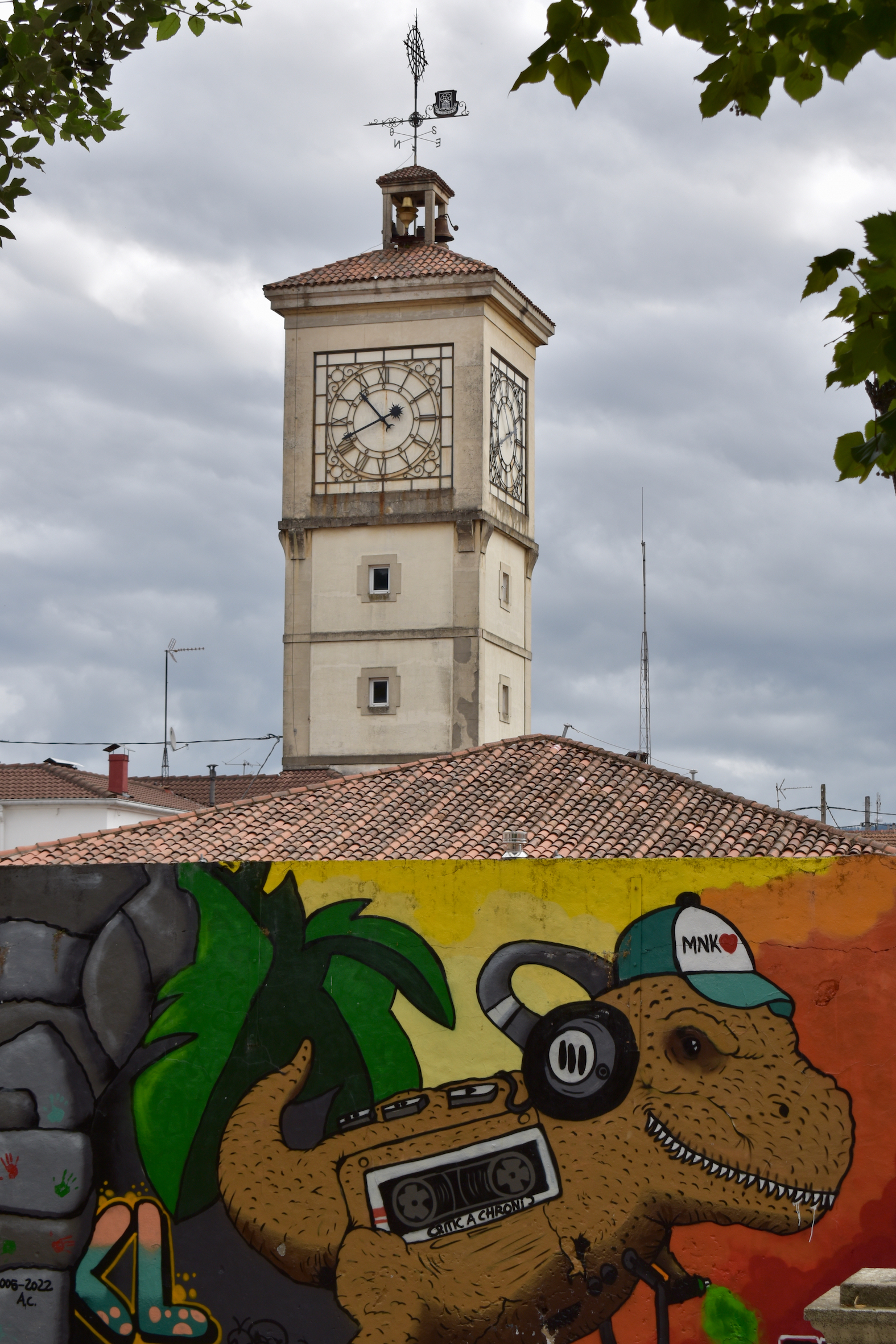

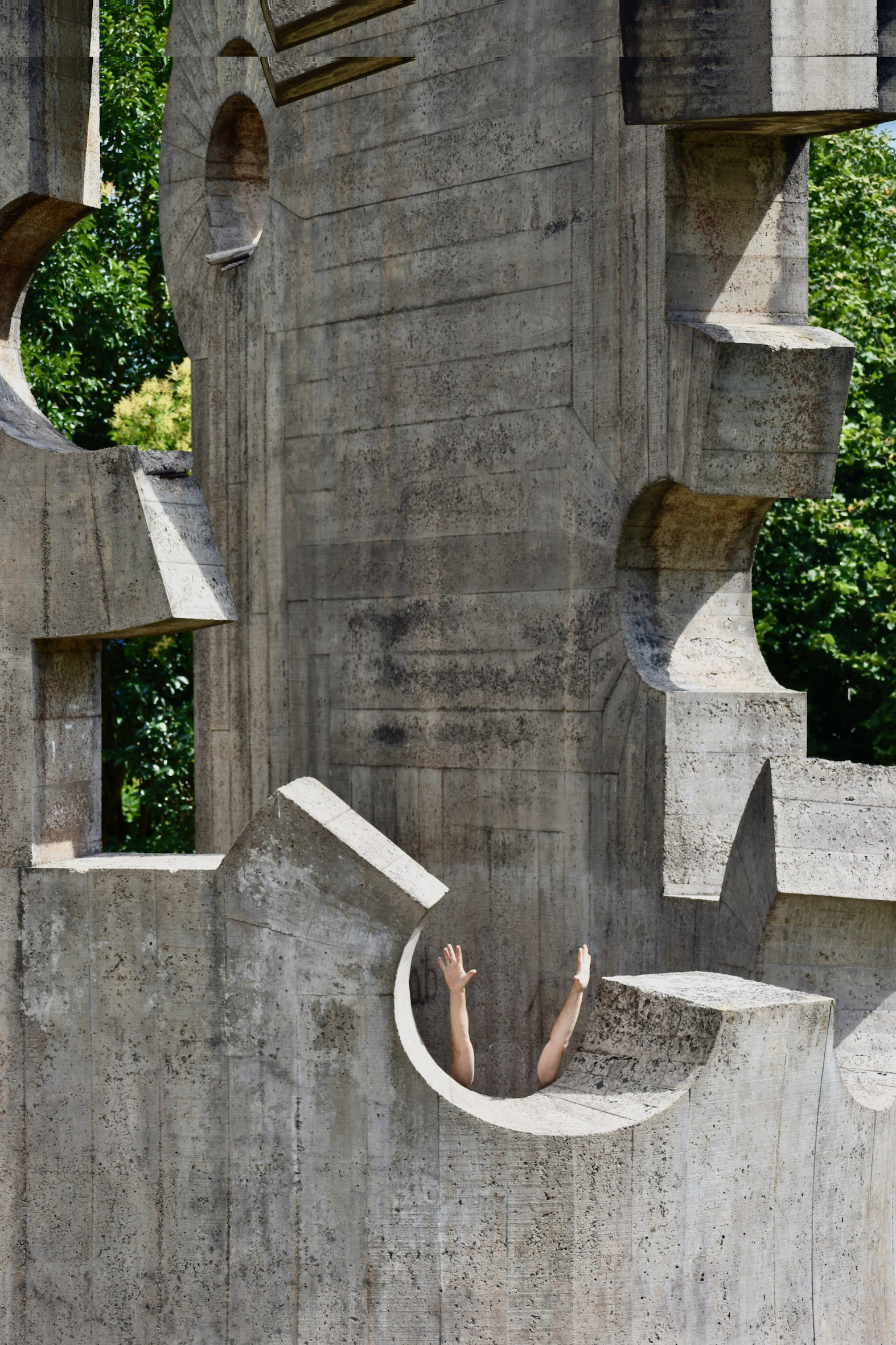
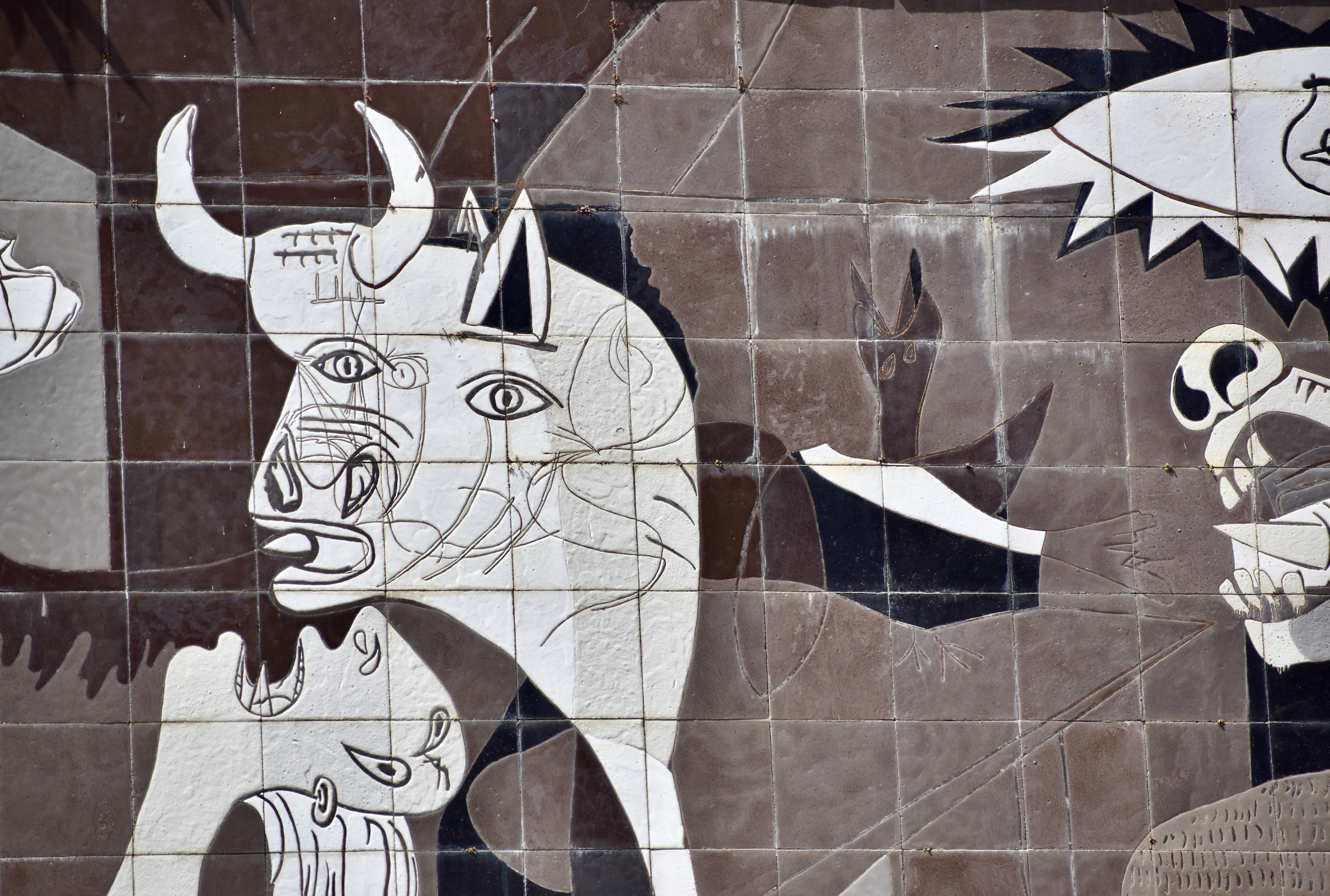
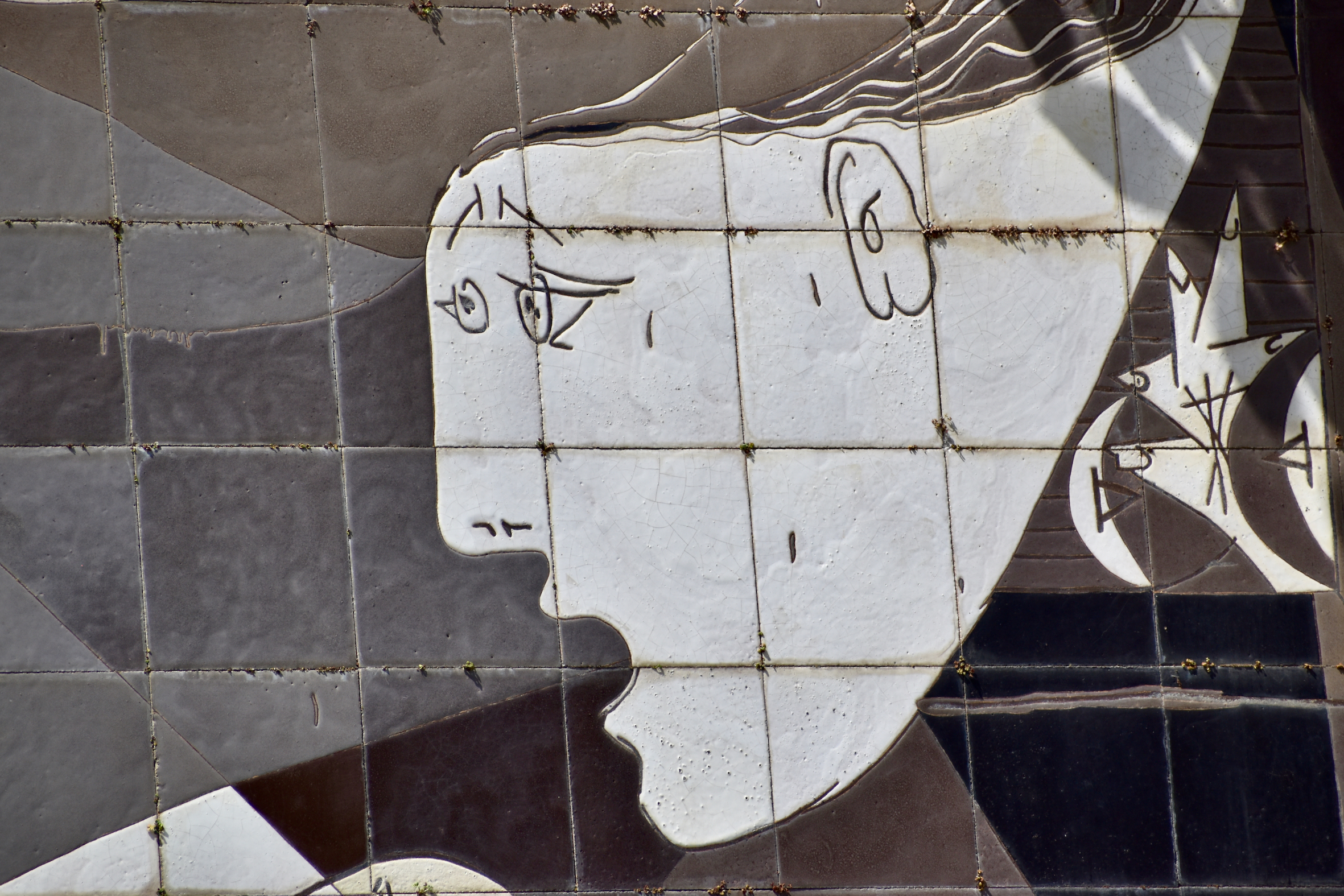

Guernica is a town with 16.200 inhabitants in the province of Biscay. Historically, is the seat of the Juntas Generales, representative assembly of the southern Basque Country. On April 26, 1937, during the Spanish Civil War, Guernica was the scene of the bombing of Guernica by the Condor Legion of Nazi Germany’s Luftwaffe and the Italian Aviazione Legionaria. The raid was requested by Franco to aid him overthrowing the Basque and the Spanish Republican Government. The town was devastated, hundreds of civilians were killed though the Biscayan Assembly and the Oak of Guernica survived. Pablo Picasso painted his Guernica painting to commemorate the horrors of the bombing. The grey, black, and white painting which is 3.49m tall and 7.76m across, portrays the suffering wrought by violence and chaos.
The Times journalist George Steer’s eyewitness account published on 28 April in both The Times and The New York Times, and on the 29th it appeared in L ‘Humanite: «Guernica, the most ancient town of the Basques and the centre of their cultural tradition, was completely destroyed yesterday afternoon by insurgent air raiders. The bombardment of this open town far behind the lines occupied precisely three hours and a quarter, during which a powerful fleet of aeroplanes consisting of three types of German types, Junkers and Heinkel bombers, did not cease unloading on the town bombs weighing from 1,000 lbs. downwards and, it is calculated, more than 3,000 two-pounder aluminium incendiary projectiles. The fighters, meanwhile, plunged low from above the centre of the town to machinegun those of the civilian population who had taken refuge in the fields…»
 Φωτογραφiες απ' όλο τον κόσμο