
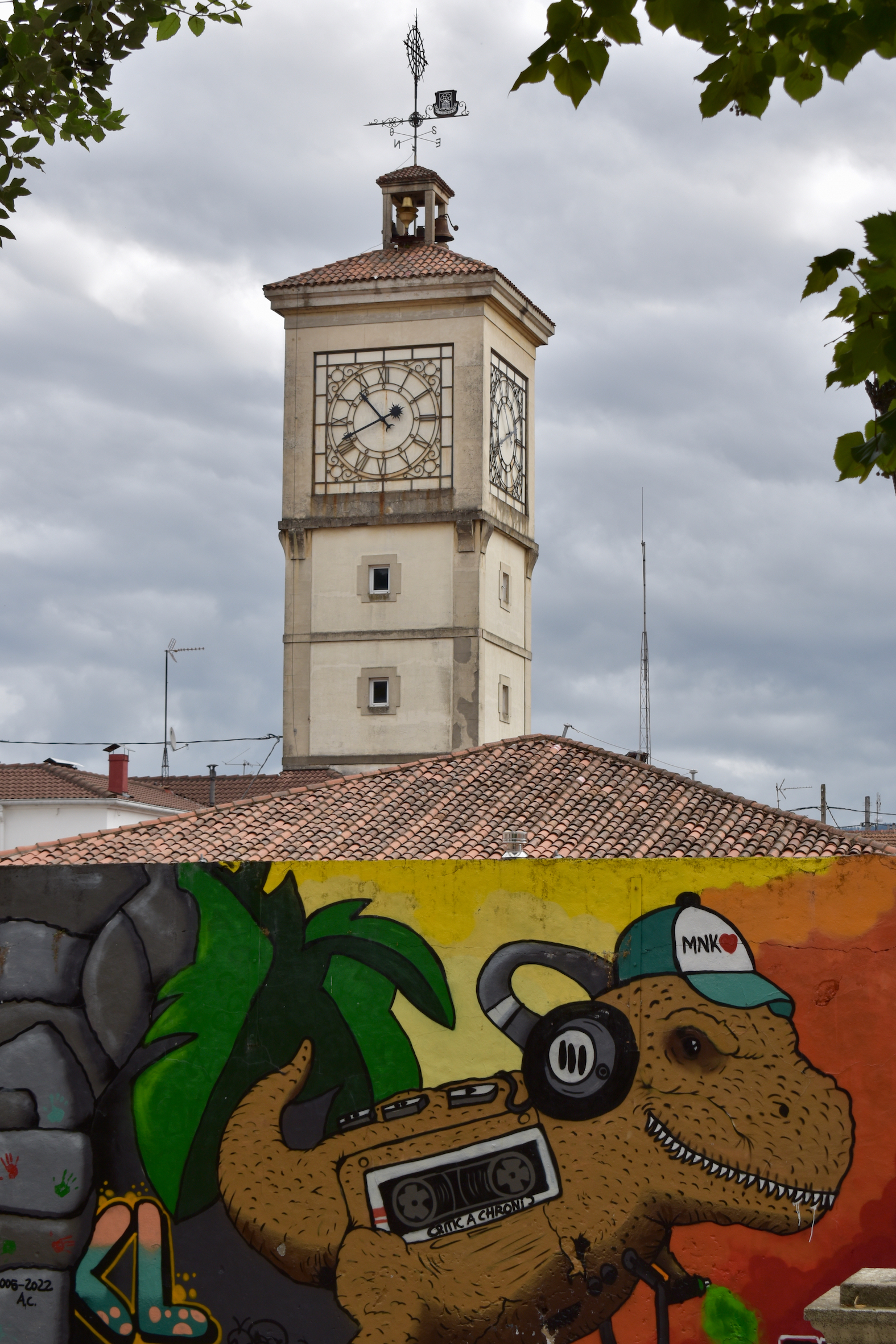

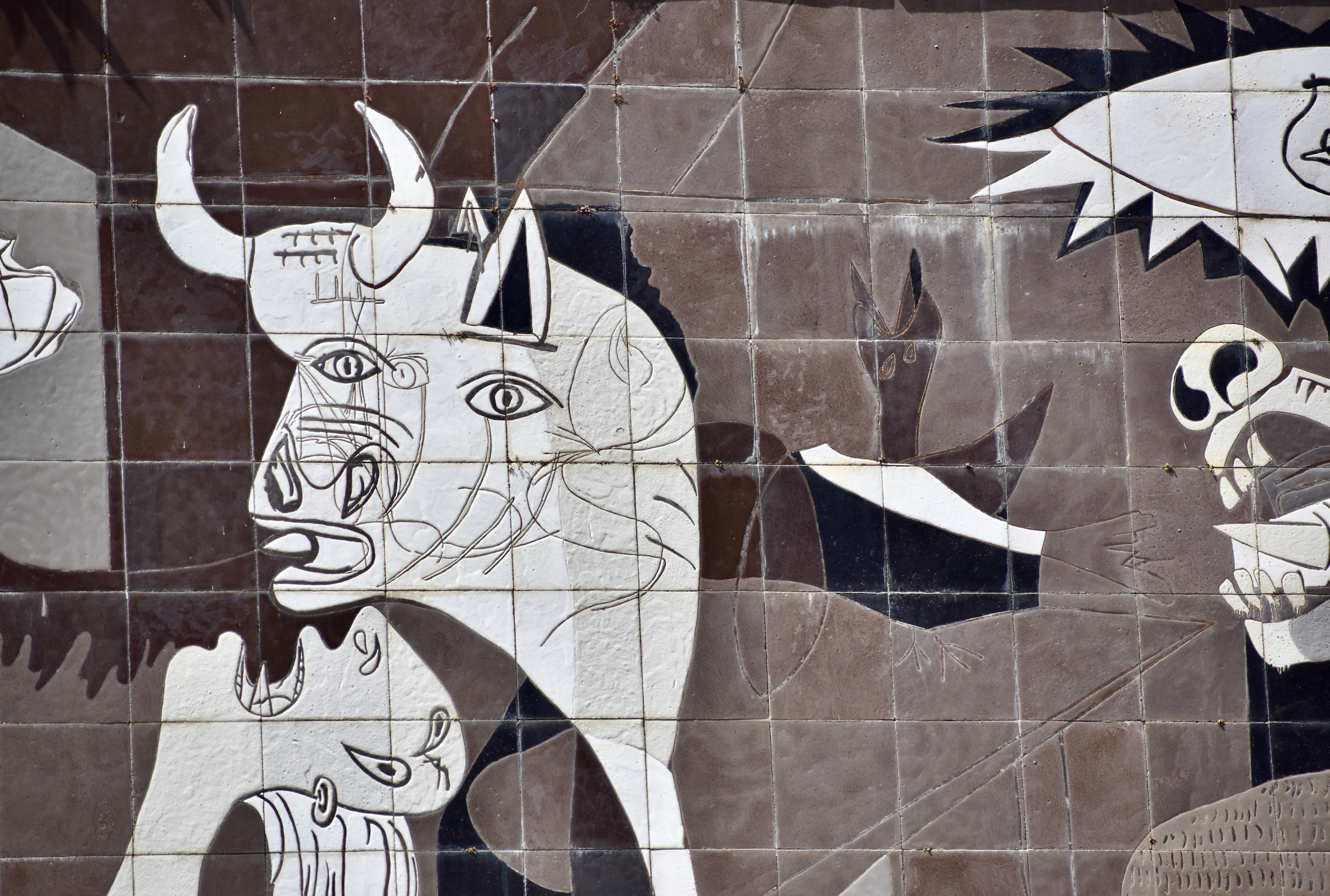
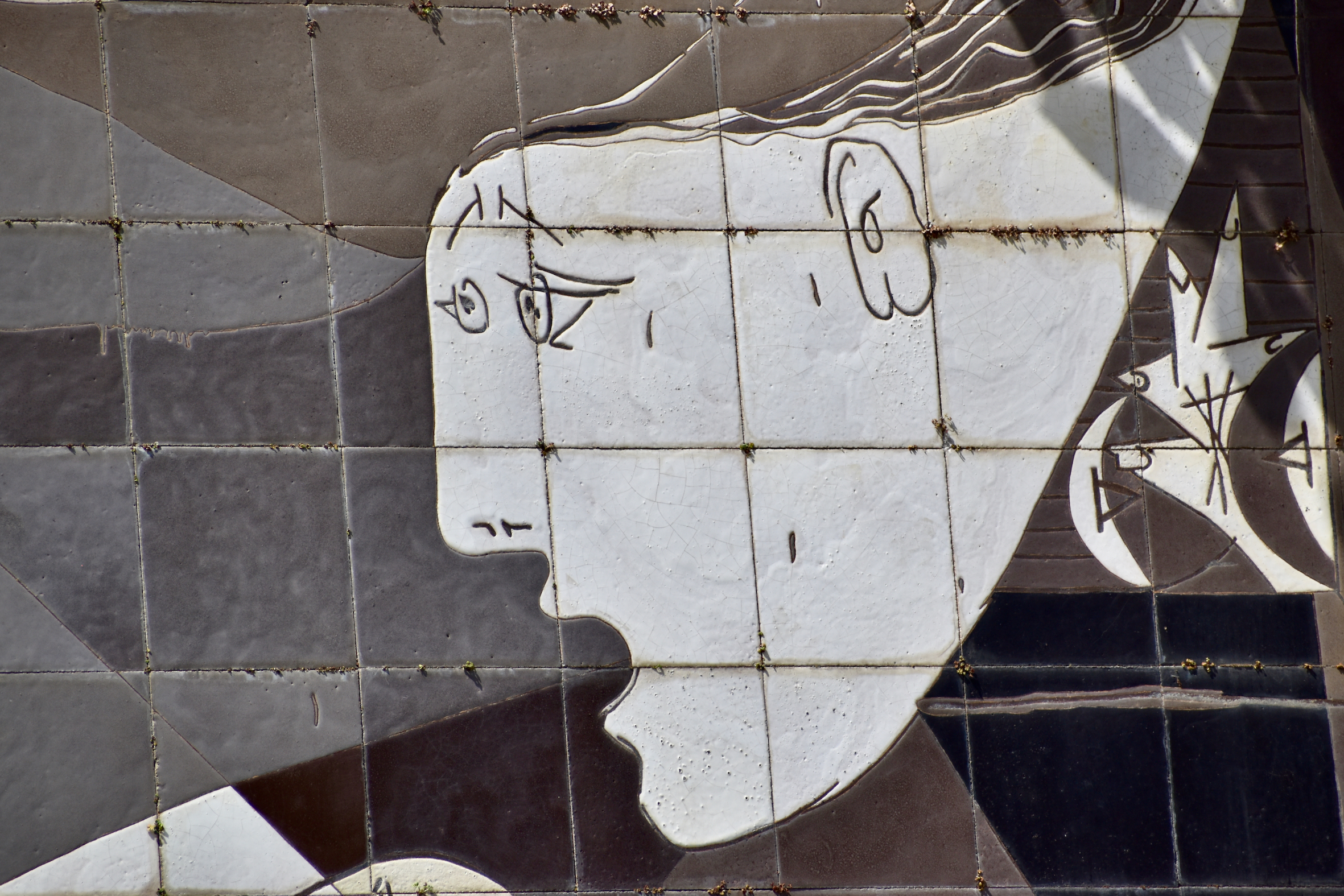

Guernica is a town with 16.200 inhabitants in the province of Biscay. Historically, is the seat of the Juntas Generales, representative assembly of the southern Basque Country. On April 26, 1937, during the Spanish Civil War, Guernica was the scene of the bombing of Guernica by the Condor Legion of Nazi Germany’s Luftwaffe and the Italian Aviazione Legionaria. The raid was requested by Franco to aid him overthrowing the Basque and the Spanish Republican Government. The town was devastated, hundreds of civilians were killed though the Biscayan Assembly and the Oak of Guernica survived. Pablo Picasso painted his Guernica painting to commemorate the horrors of the bombing. The grey, black, and white painting which is 3.49m tall and 7.76m across, portrays the suffering wrought by violence and chaos.
The Times journalist George Steer’s eyewitness account published on 28 April in both The Times and The New York Times, and on the 29th it appeared in L ‘Humanite: «Guernica, the most ancient town of the Basques and the centre of their cultural tradition, was completely destroyed yesterday afternoon by insurgent air raiders. The bombardment of this open town far behind the lines occupied precisely three hours and a quarter, during which a powerful fleet of aeroplanes consisting of three types of German types, Junkers and Heinkel bombers, did not cease unloading on the town bombs weighing from 1,000 lbs. downwards and, it is calculated, more than 3,000 two-pounder aluminium incendiary projectiles. The fighters, meanwhile, plunged low from above the centre of the town to machinegun those of the civilian population who had taken refuge in the fields…»
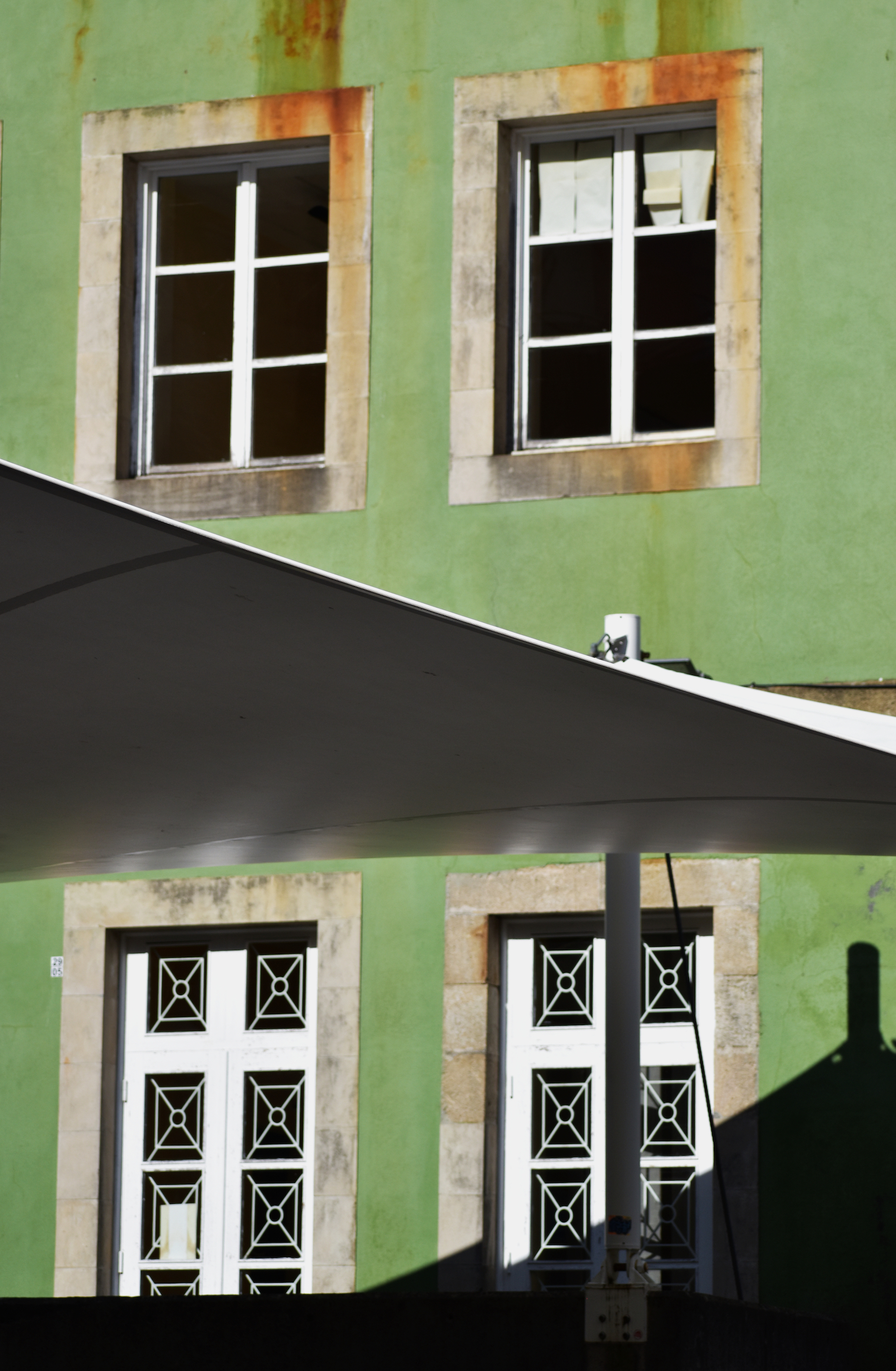
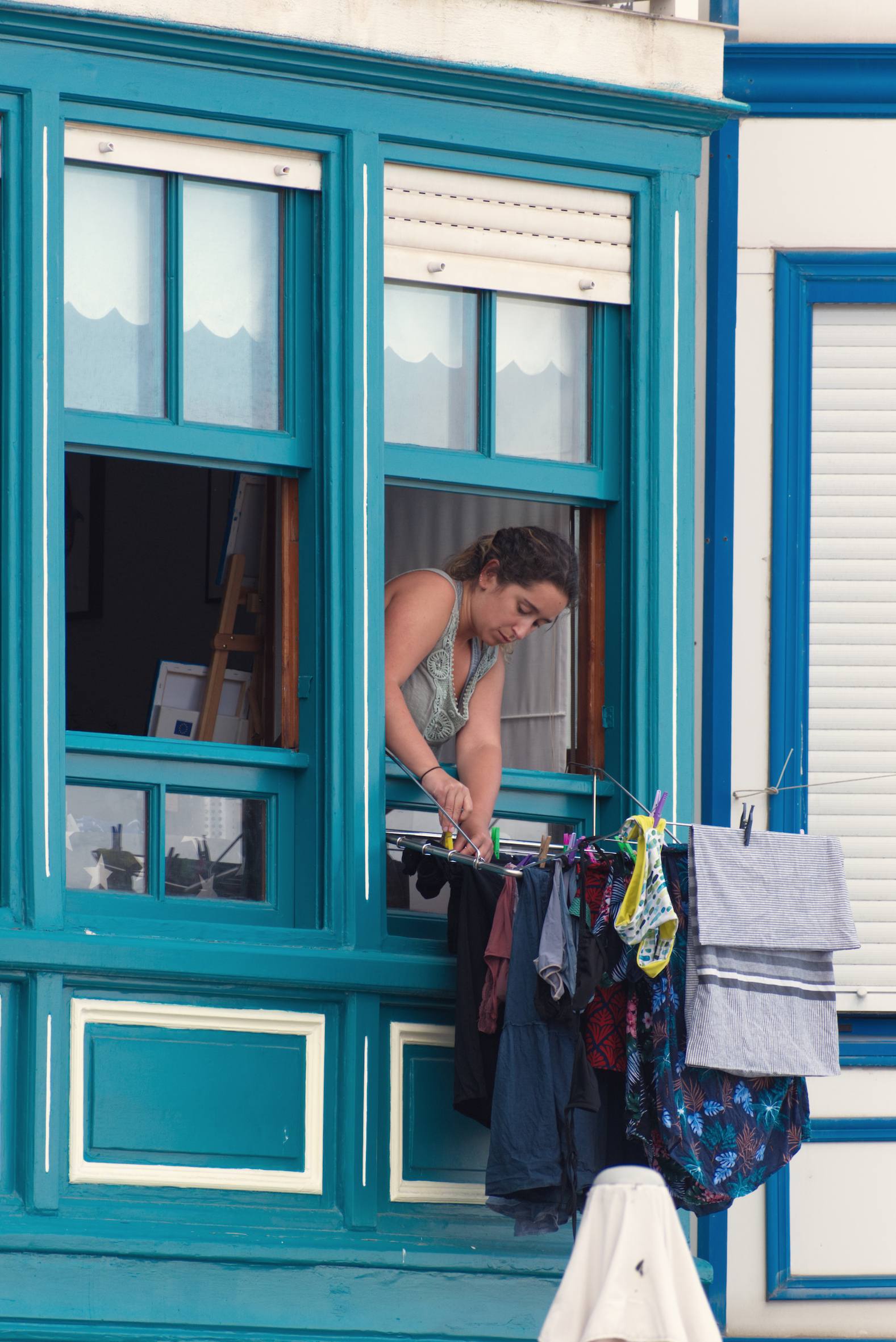

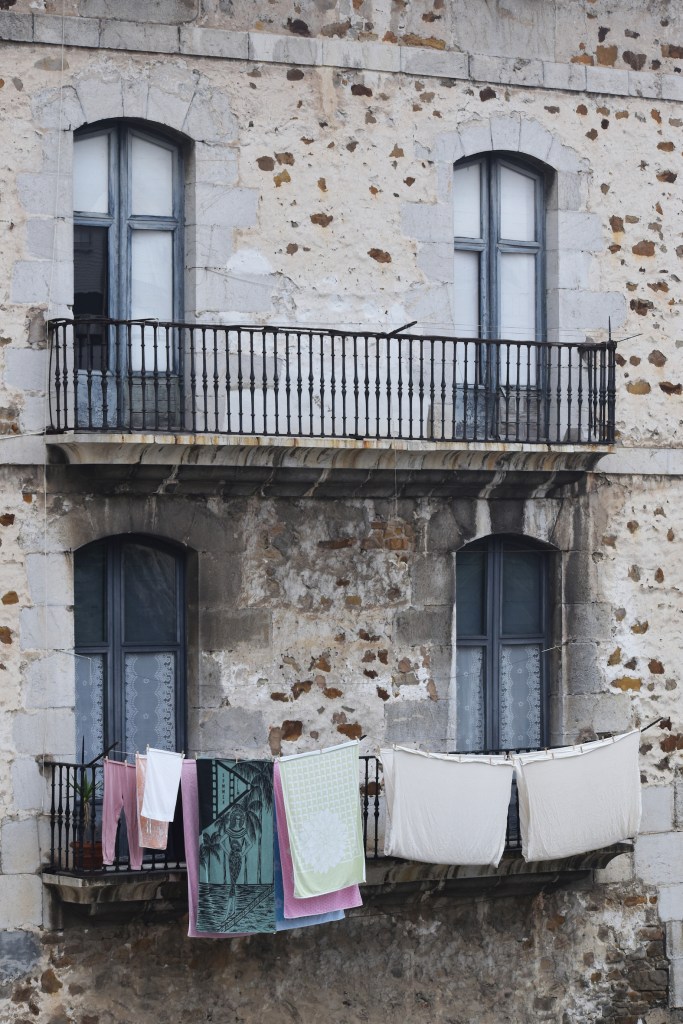
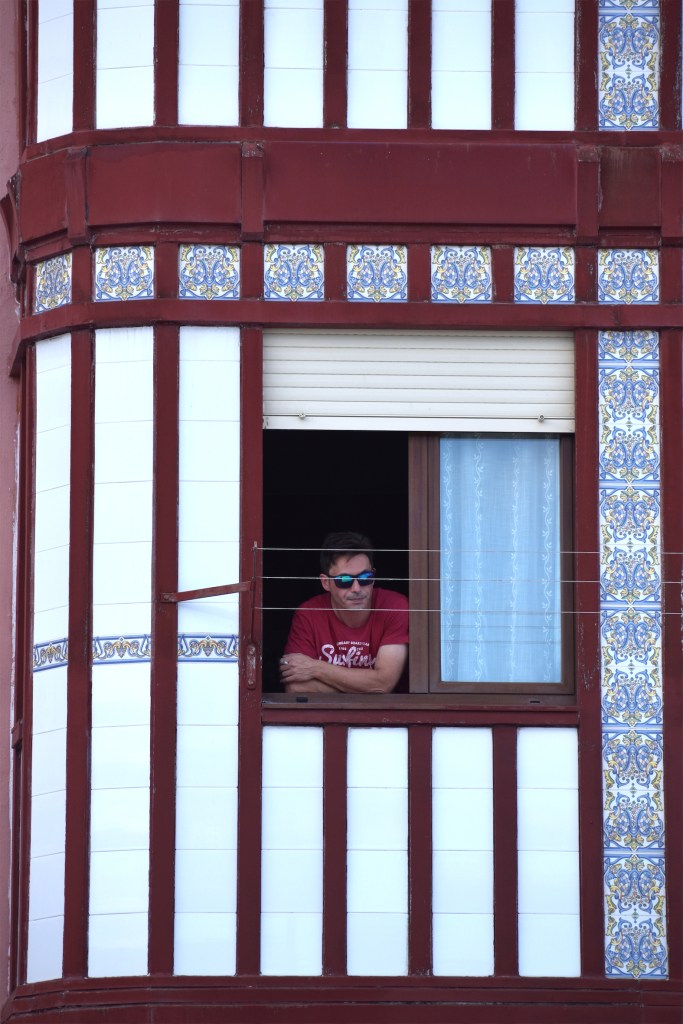
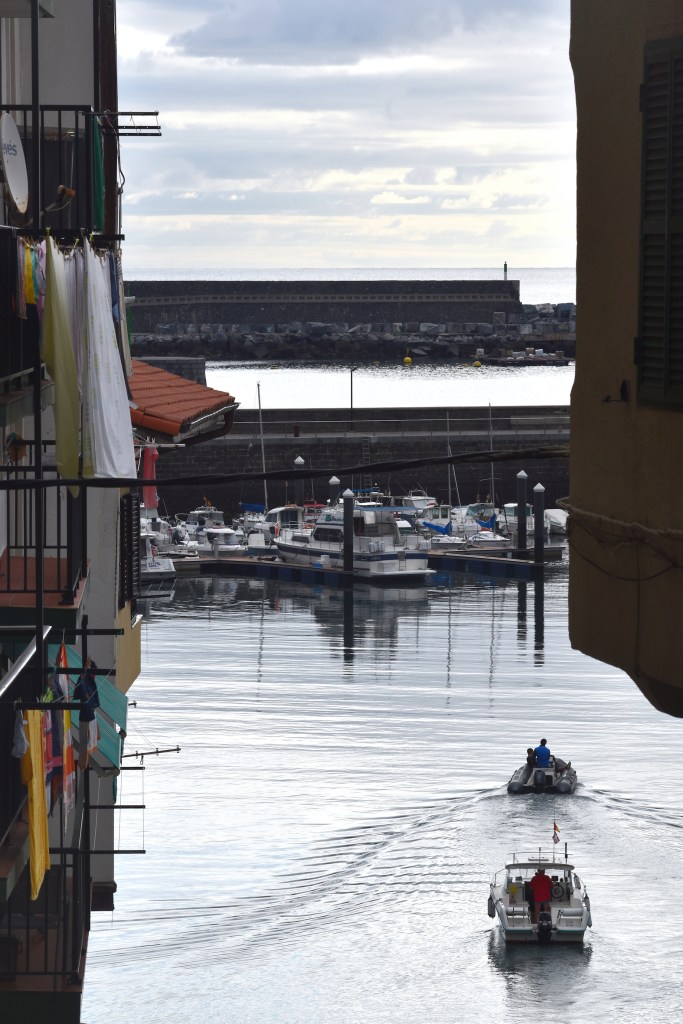


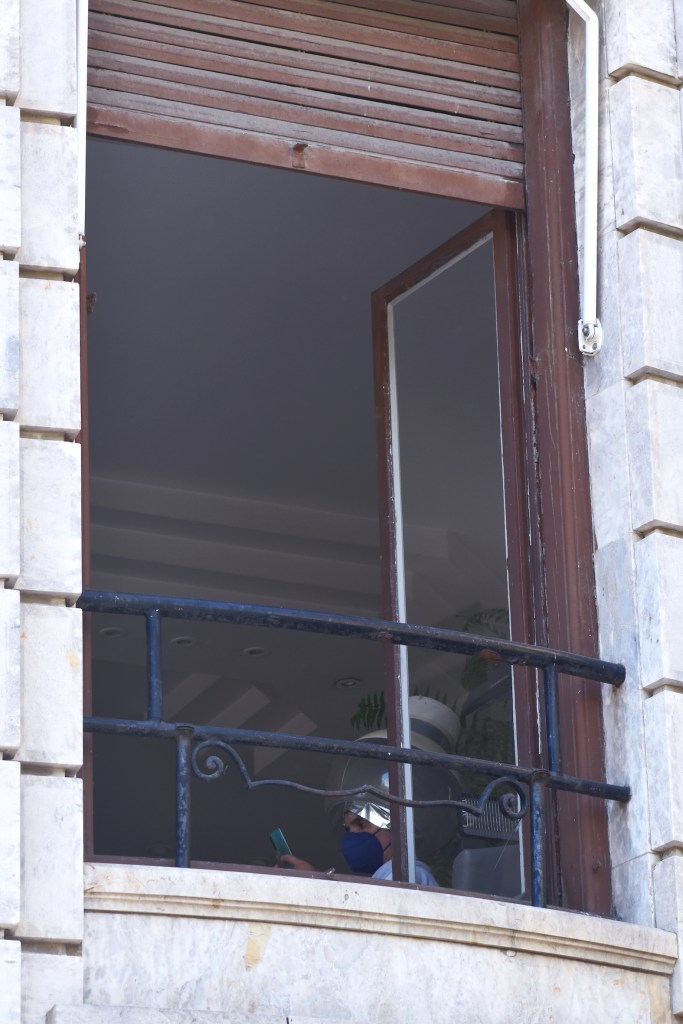
Bermeo, Mutriku, San Sebastián.
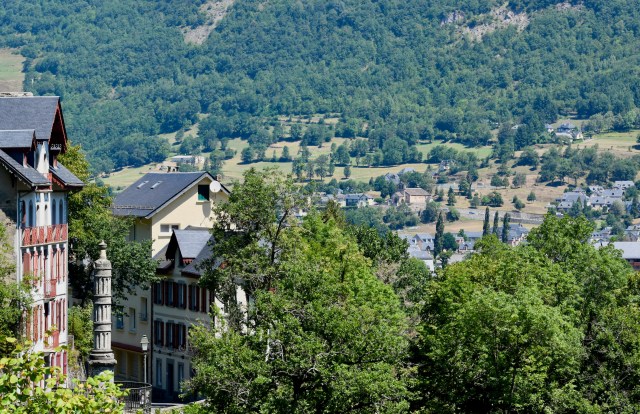
Luz Saint Sauver, Hautes Pyrenees, Occitanie

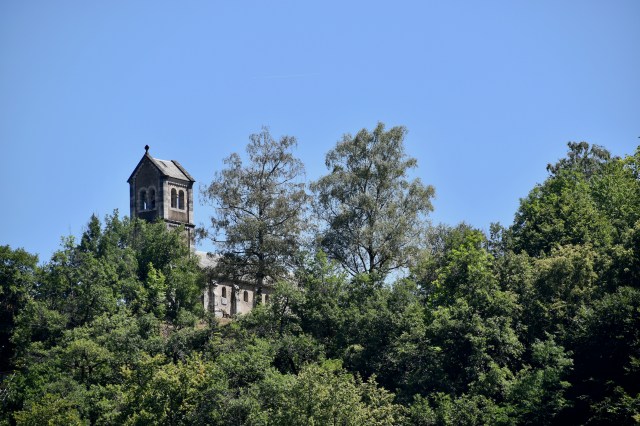
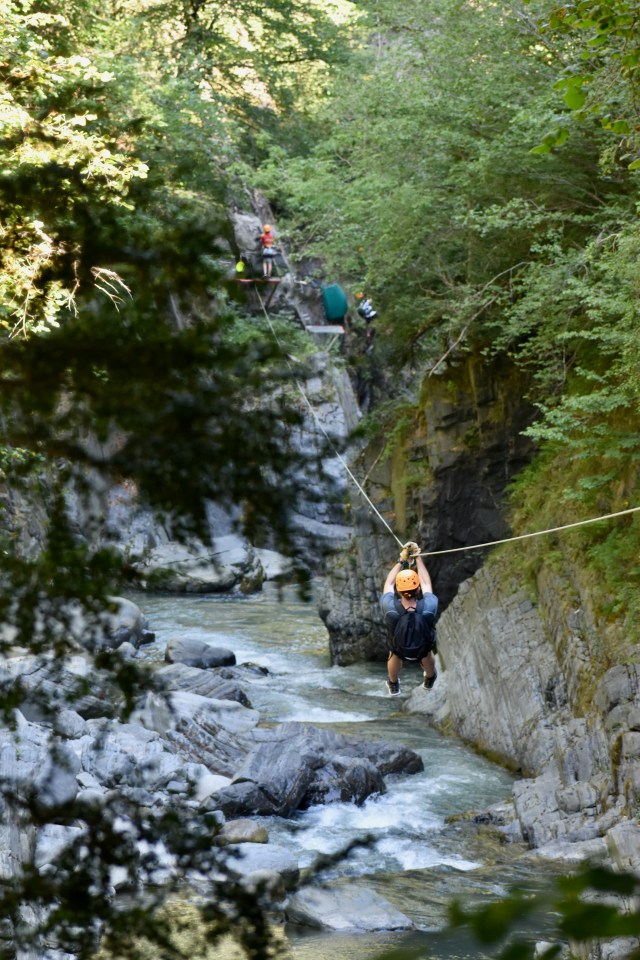
In Haute Pyrenees, at 650m(up to 3.194m), Luz is a geographically isolated village although just half an hour away from Lourdes. To the south, the valley of Garre de Pau drives to Gavarnie. To the east, 16km away, the Col du Tourmalet (tourmalet=bad-trip in French or distance mountain in Gascon) is a famous climb on the Tour de France. Among the places of historical heritage, the Solferino chapel with its byzantine tower and the Napoleon Bridge. Napoleon III fell in love with the Pyrenees and made several stays in the company of Empress Eugenie. The stone bridge with the single arc was completed in 1861 and is standing 63m above the Gave. Luz Tyroline, a course of 16 zippiness ranging from 40 to 260m, nepalese bridges and via ferratas over a distance of 2km terminates at the the vault of Pont Napoleon, resting directly on the steep rocks that border the Gave.
Haute Pyrenees, Occitanie, France
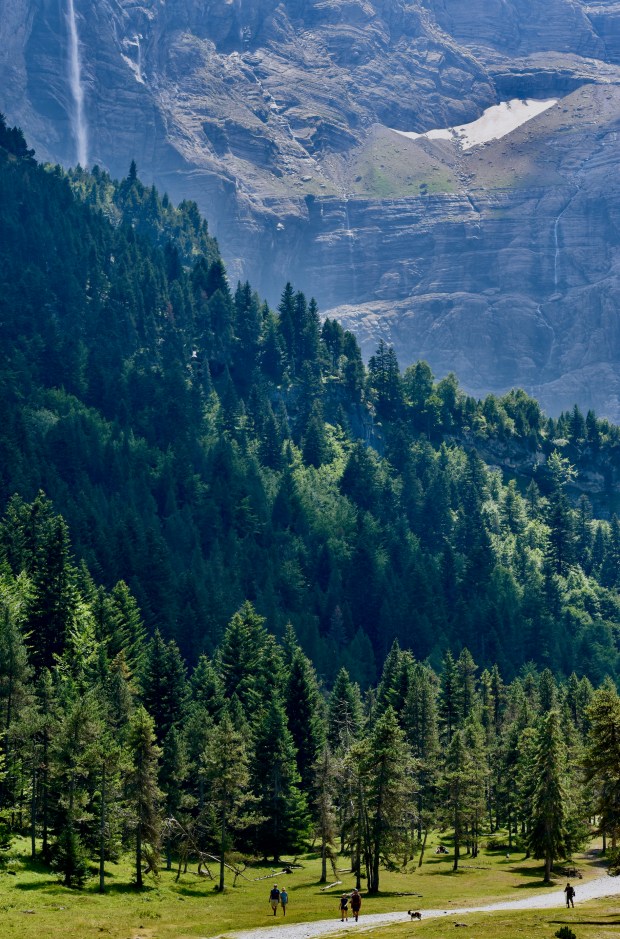
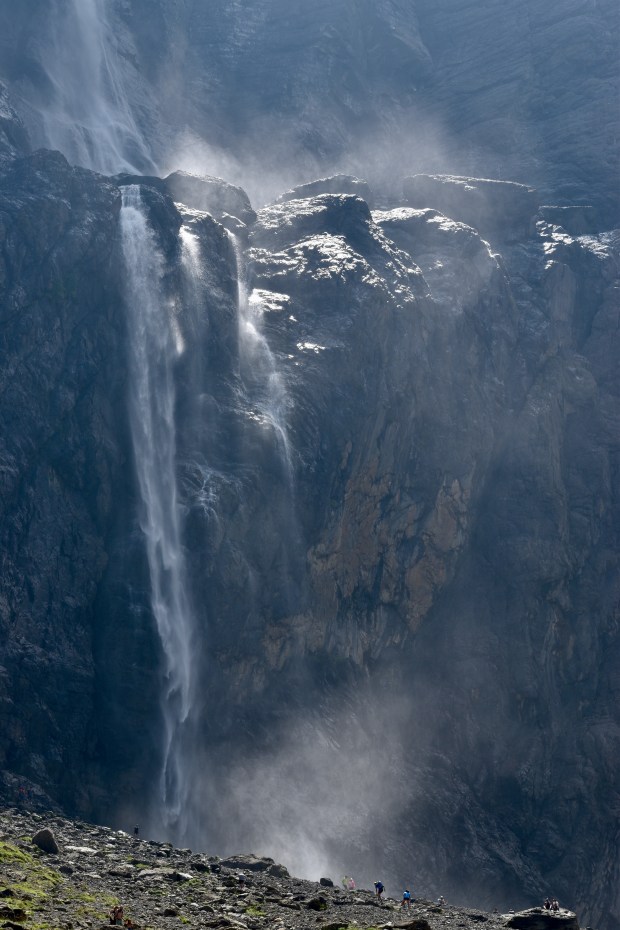
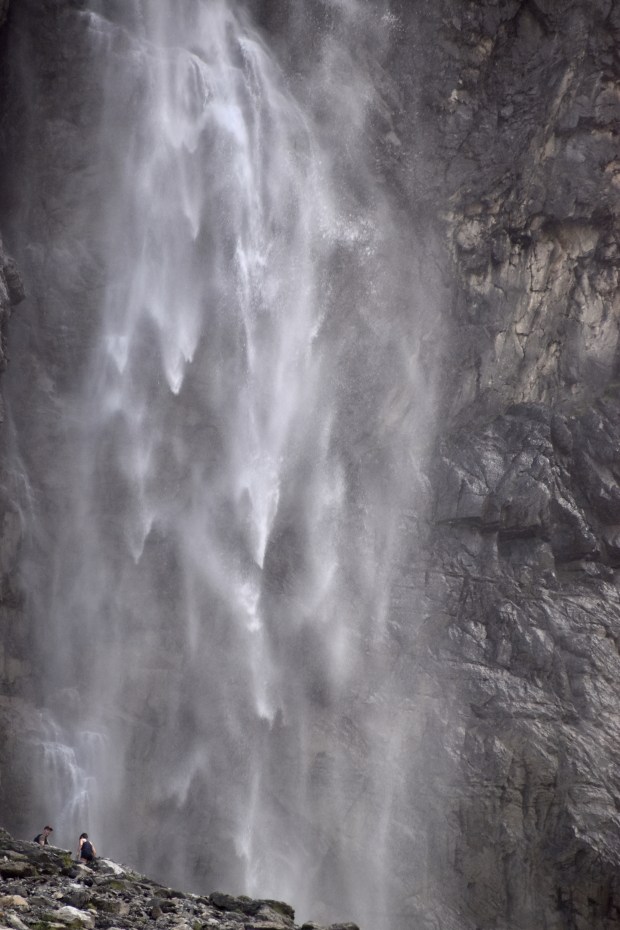
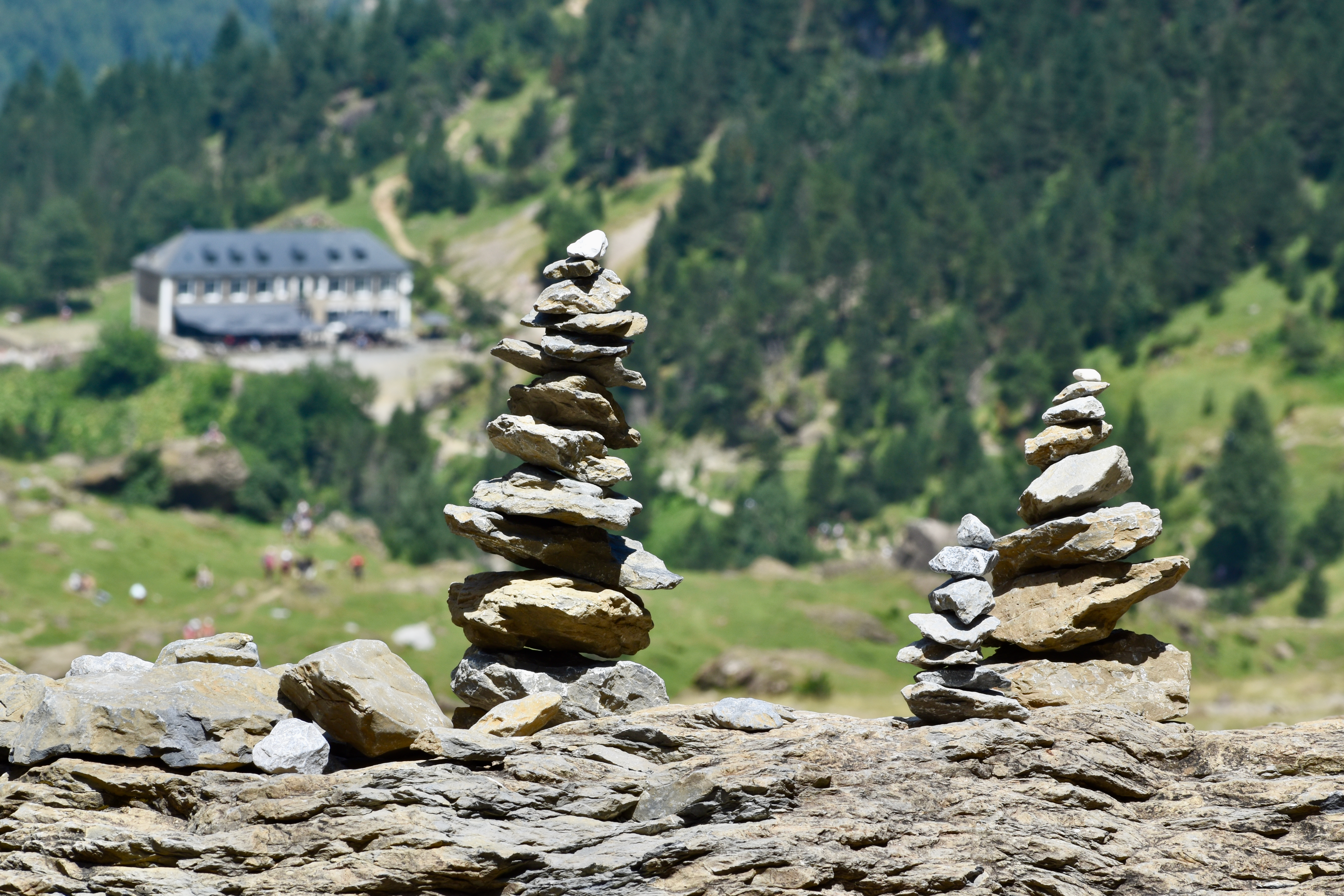
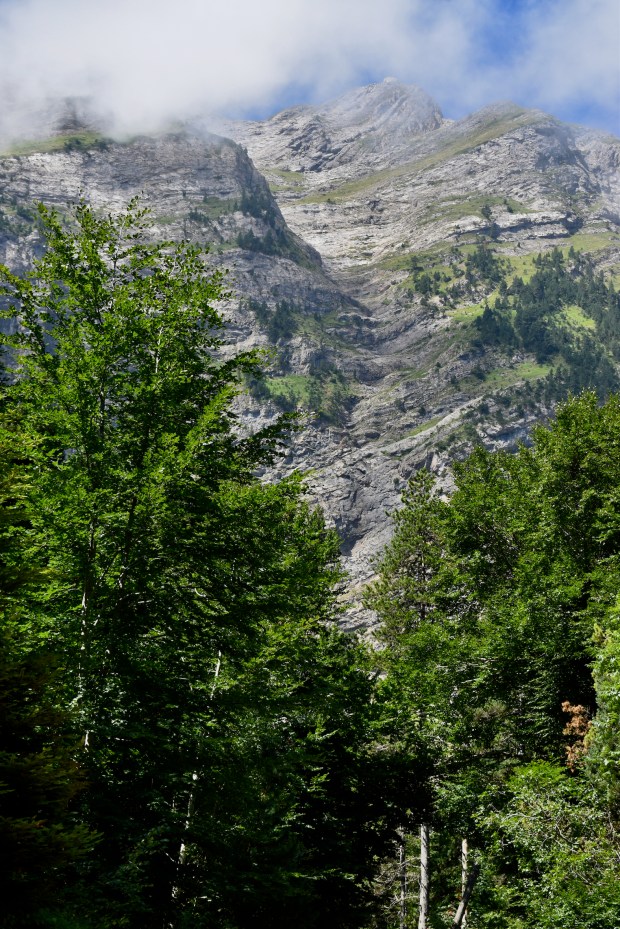
«A mountain and a wall at the same time» (V.Hugo 1845), the Colosseum of Nature, Cirque de Gavarnie, is about 4km from the village. The cirque is 800m wide (on the deepest point) and about 3,000m wide at the top. The rock walls that surround it are up to 1,500m above the floor. During the warmer seasons, a number of large meltwater falls spill not the cirque. The Grande Cascade waterfall plunges about 425m from the eastern side.
Gavarnie in Hautes Pyrenees, Occitanie, lying on the French side of the Francospanish frontier at an elevation of 1,357m was a resting place in medieval times for pilgrims traveling to Santiago de Compostella in northwestern Spain. At the head of the valley, Hotel du Cirque, one hour hike up from the village, opened in 1848 and rewards the visitor with its legendary views.

 Φωτογραφiες απ' όλο τον κόσμο